
about mark HERON
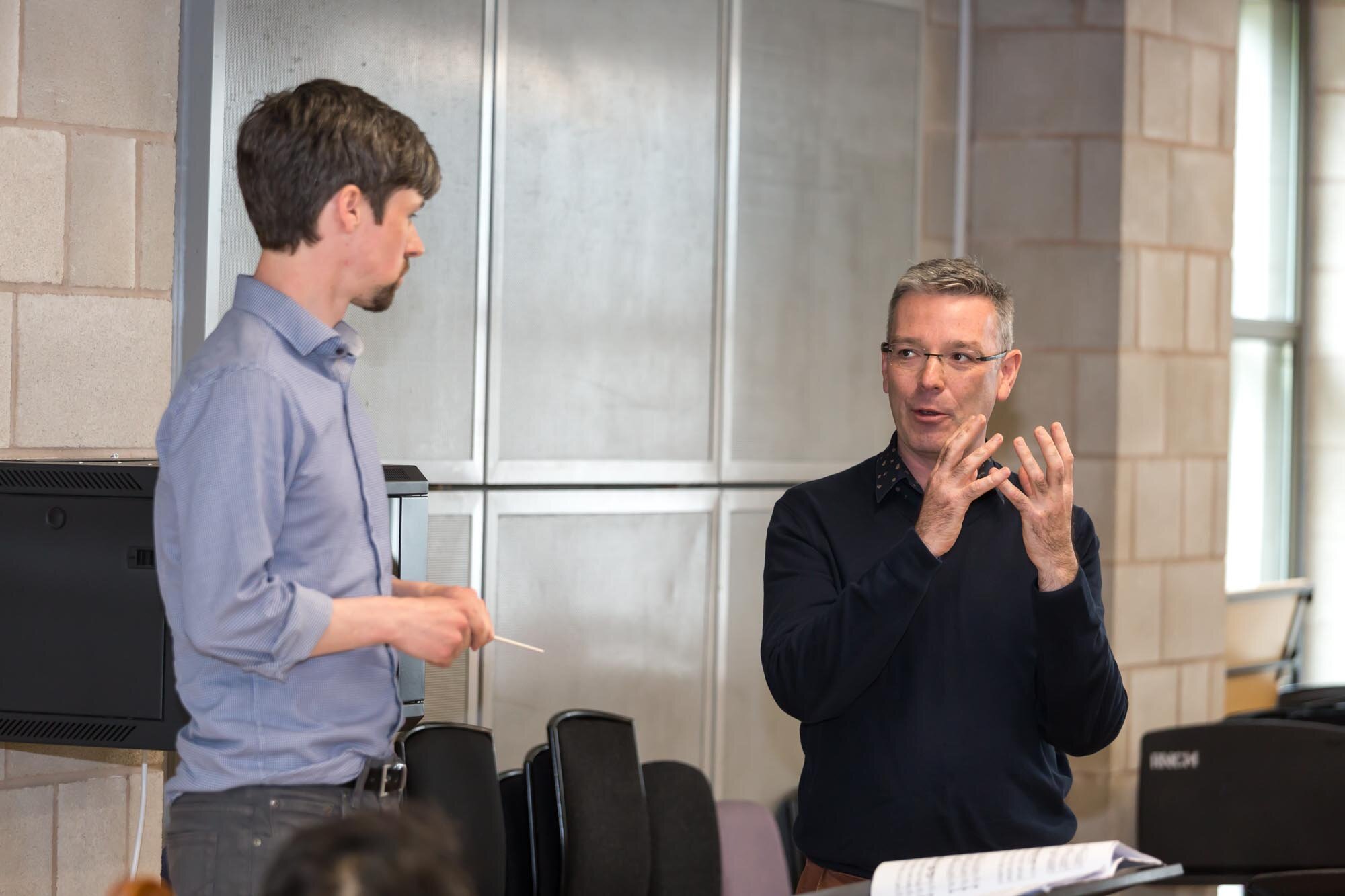
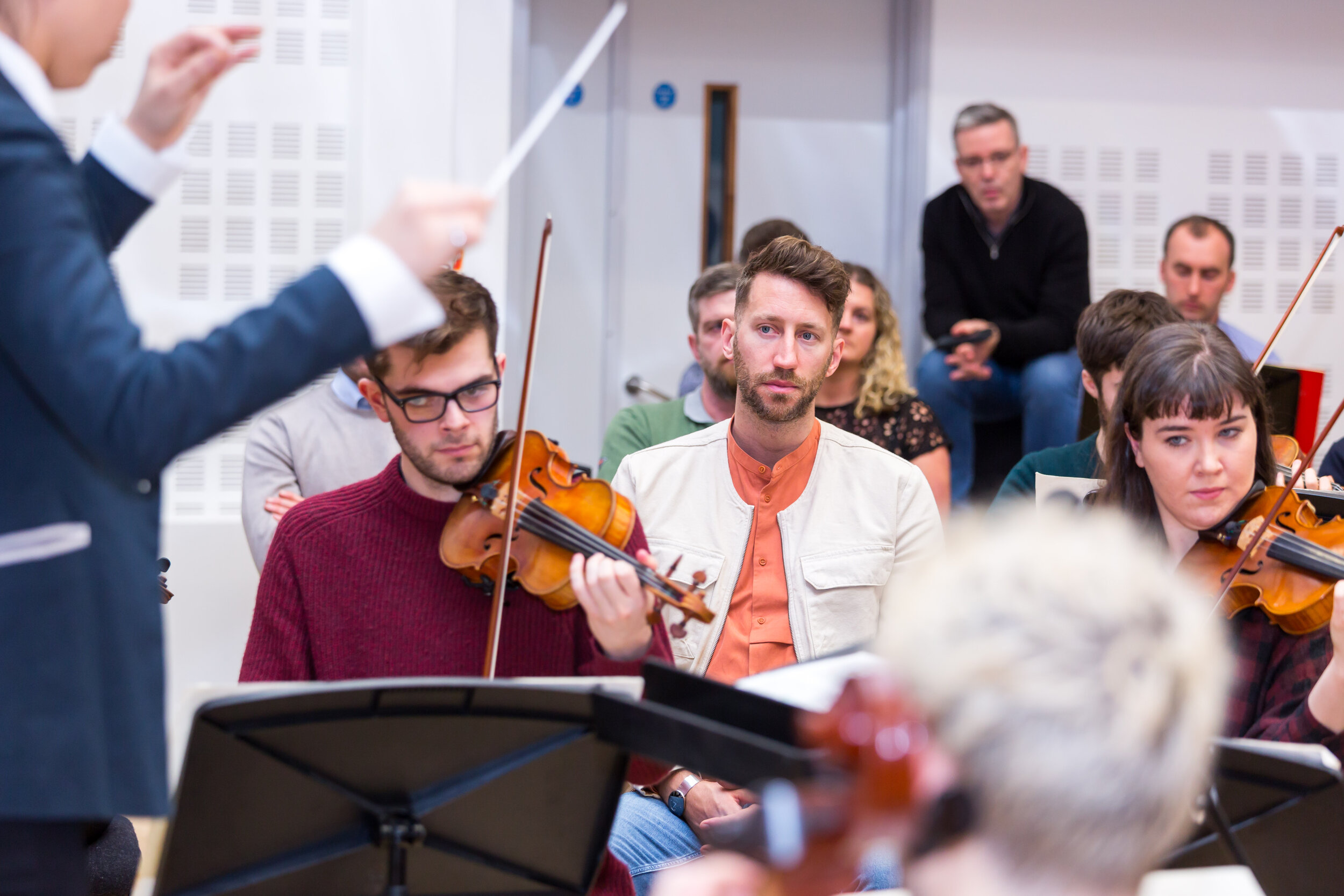
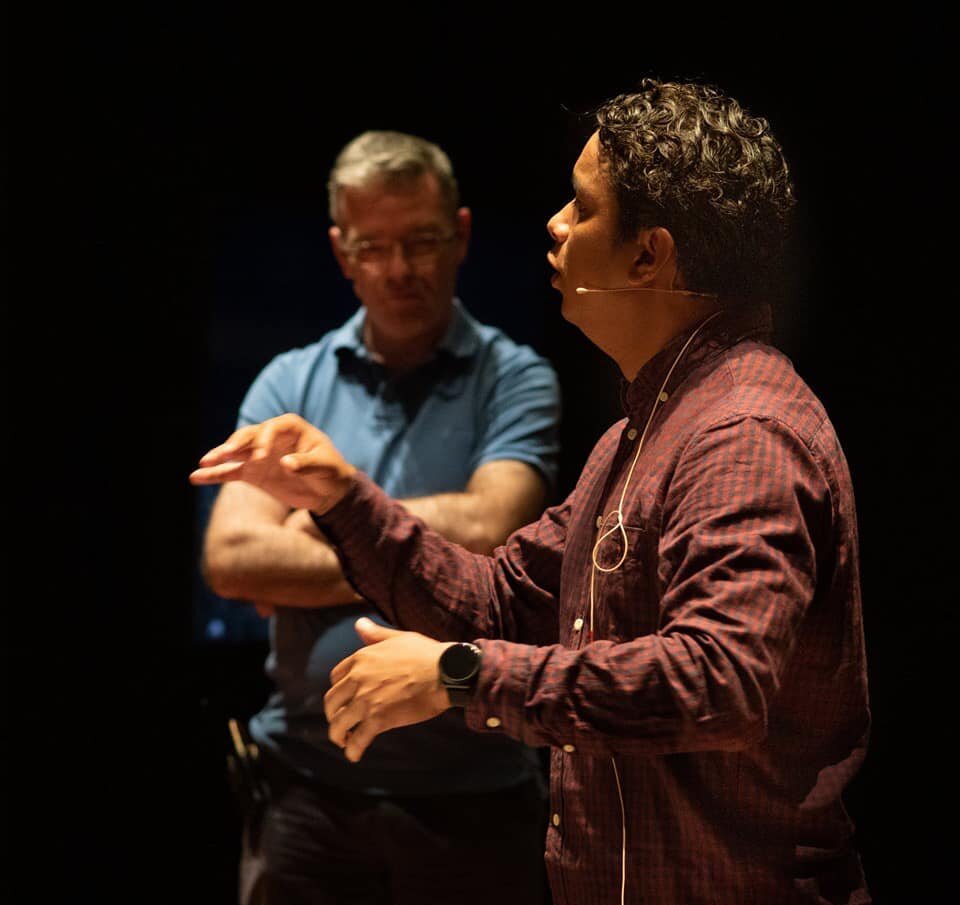
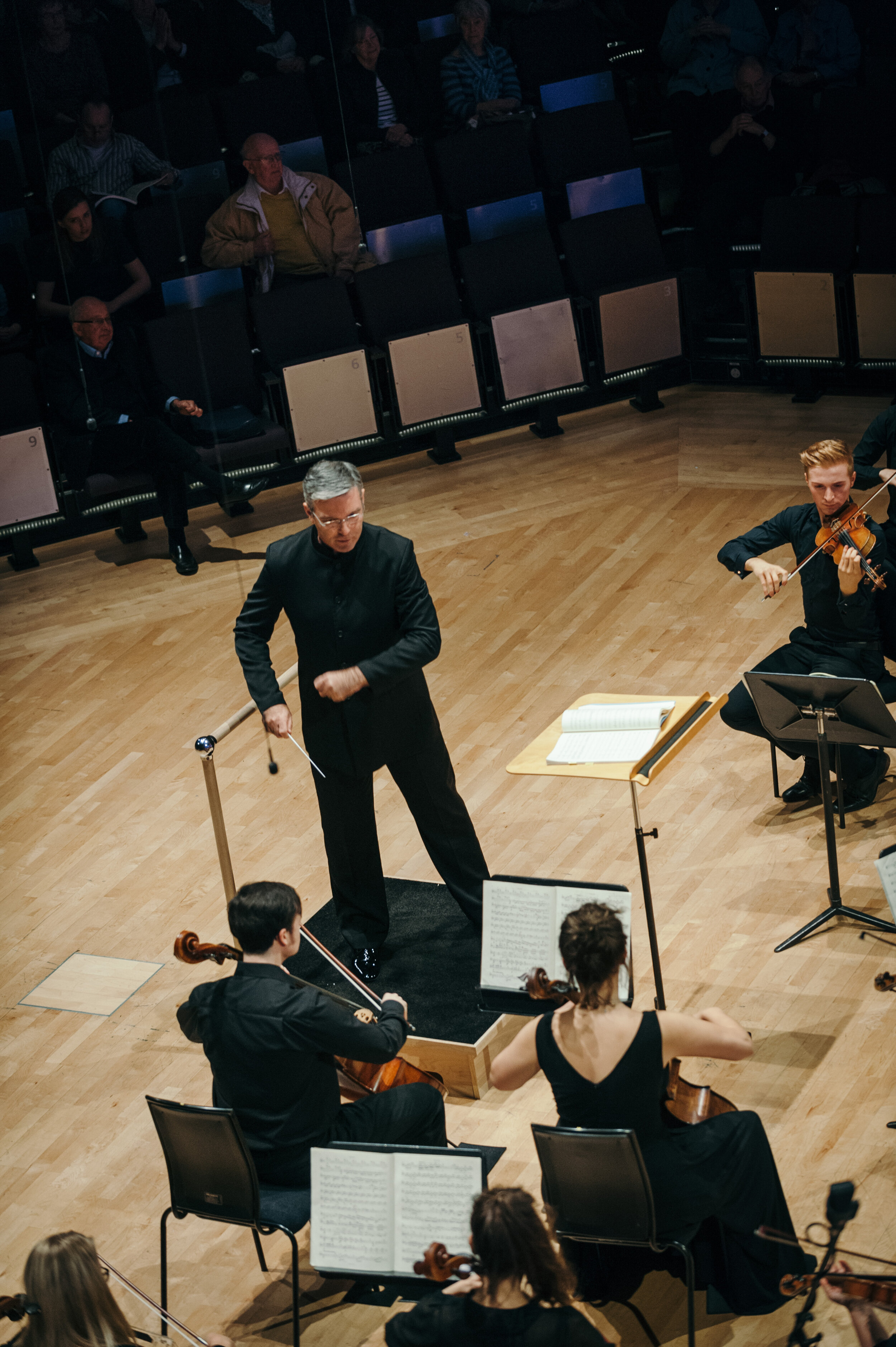
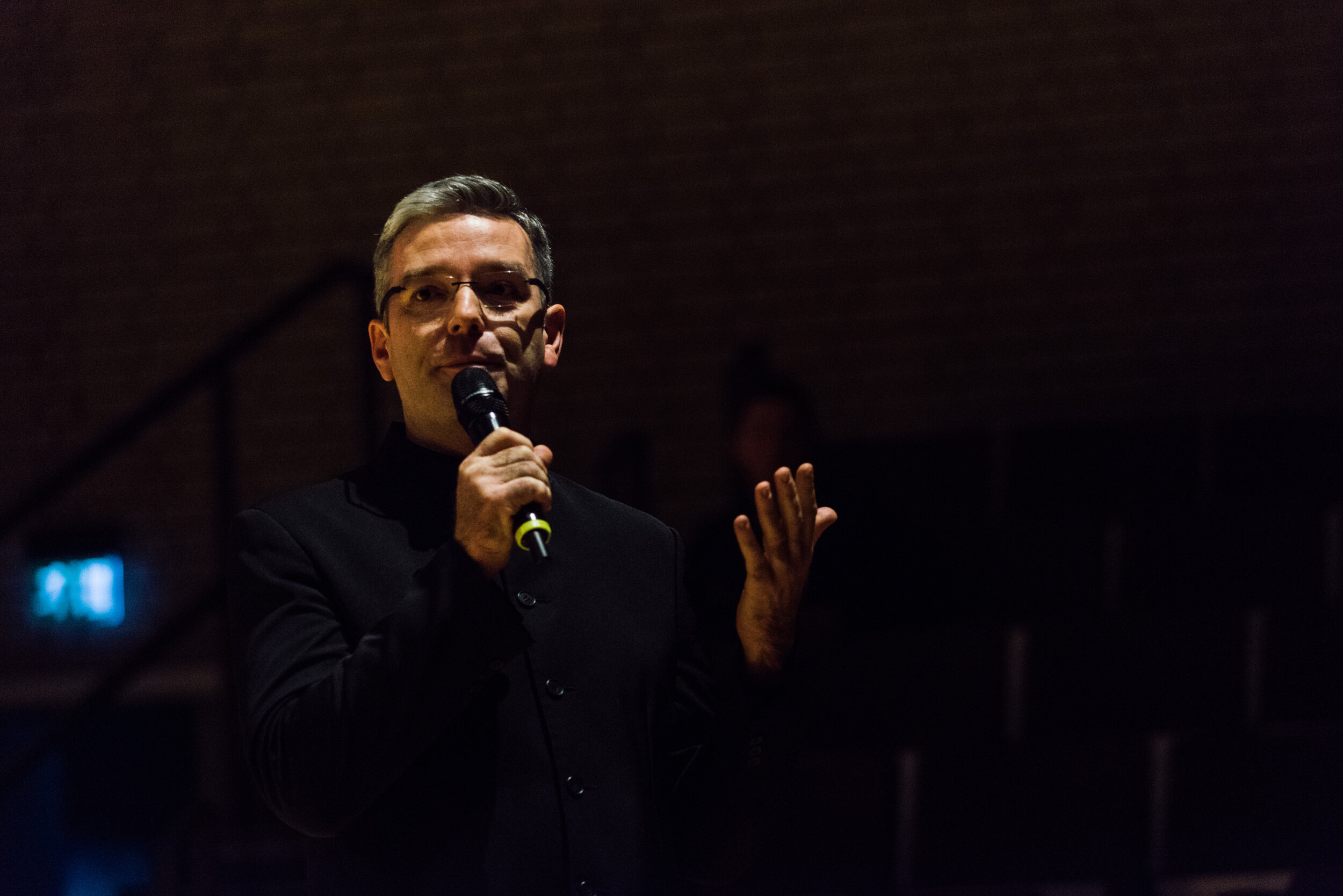
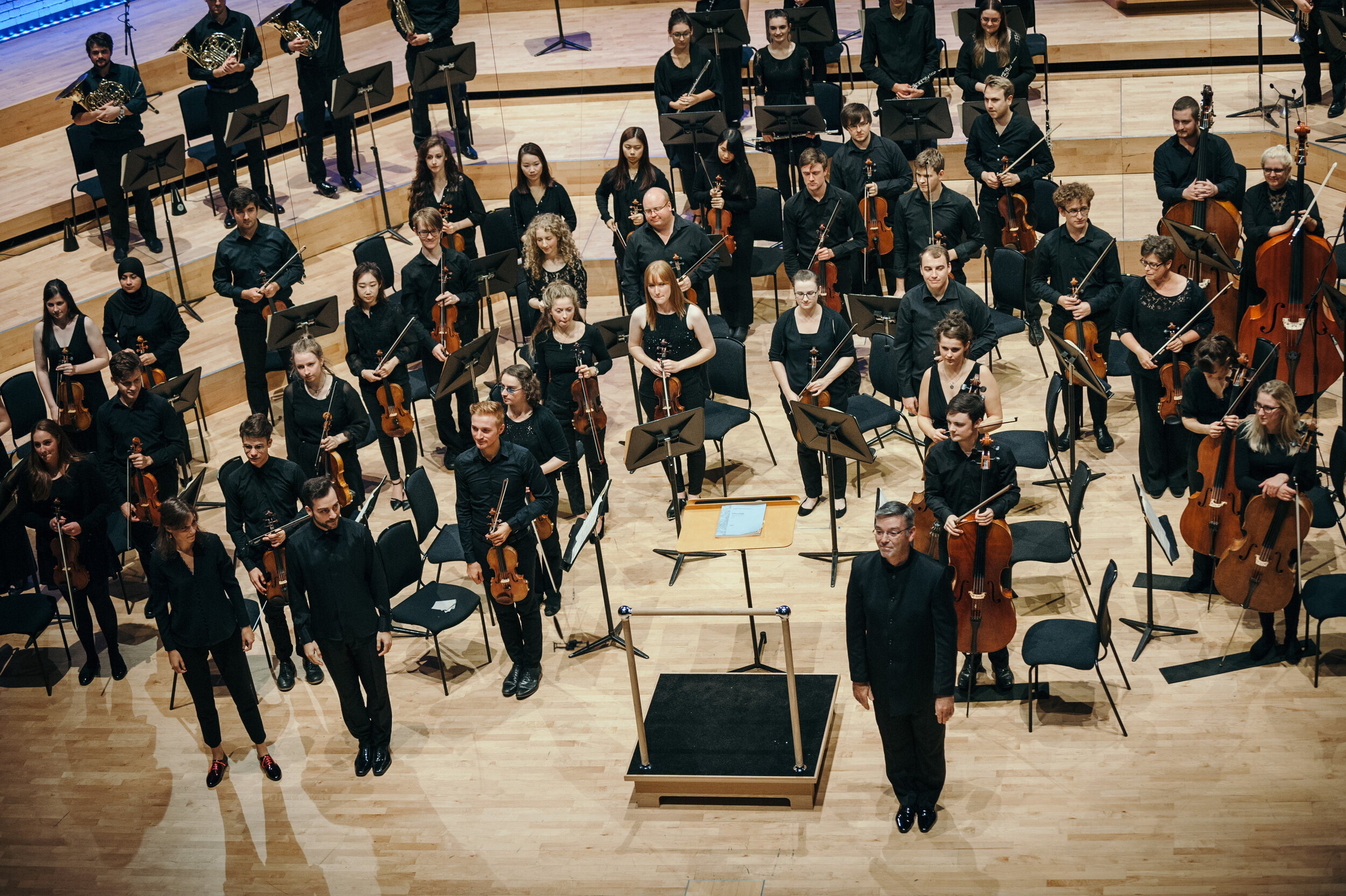
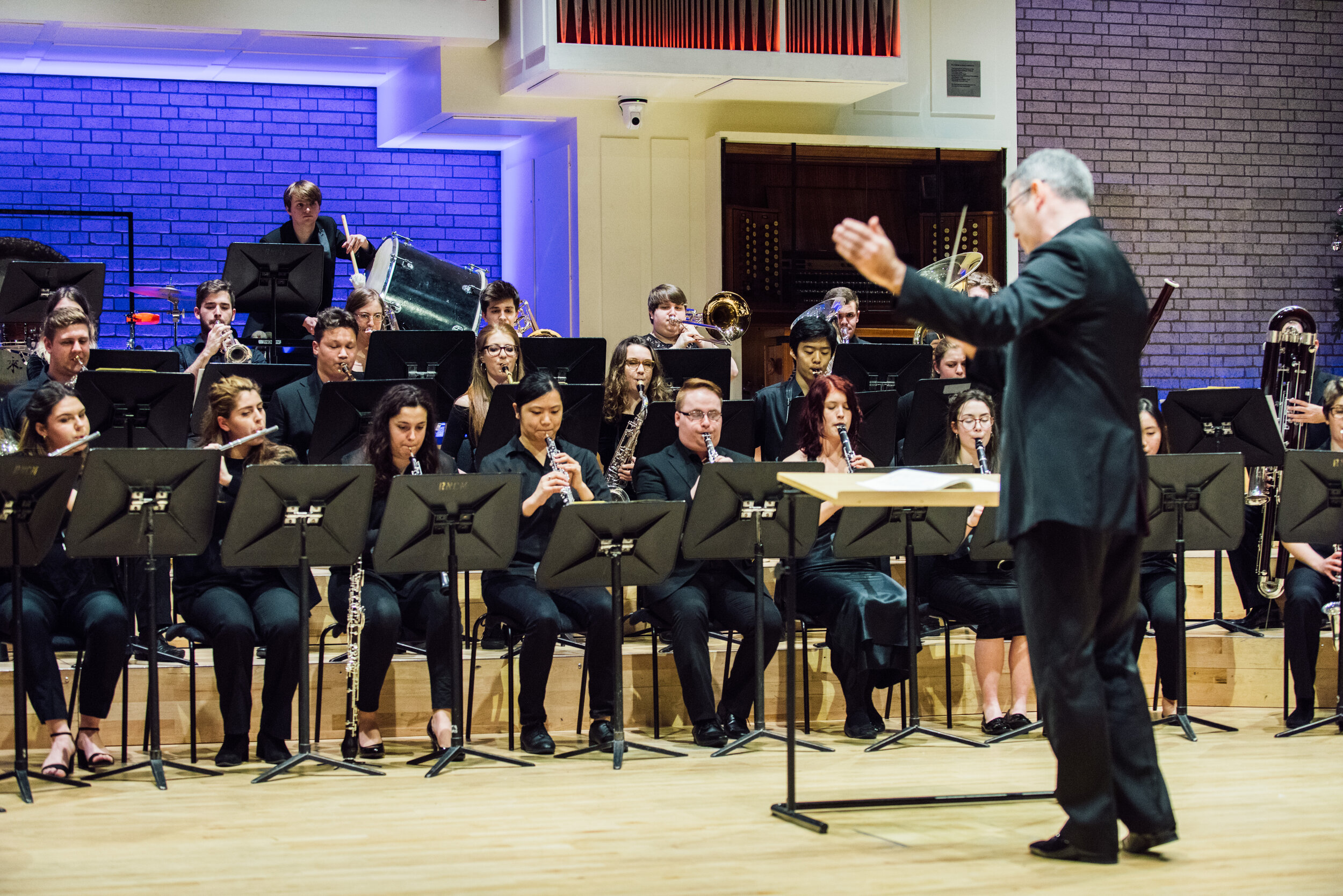
Mark Heron is a Scottish conductor renowned for his dynamic, meticulously rehearsed performances across an exceptionally broad repertoire, his expertise in orchestral training, and his outstanding record as a conducting pedagogue.
He has worked with leading ensembles, including the BBC Philharmonic, BBC Concert Orchestra, Philharmonia, Royal Liverpool Philharmonic Orchestra, Royal Scottish National Orchestra, Manchester Camerata, Psappha, Meininger Hofkapelle, Pori Sinfonietta, among many others.
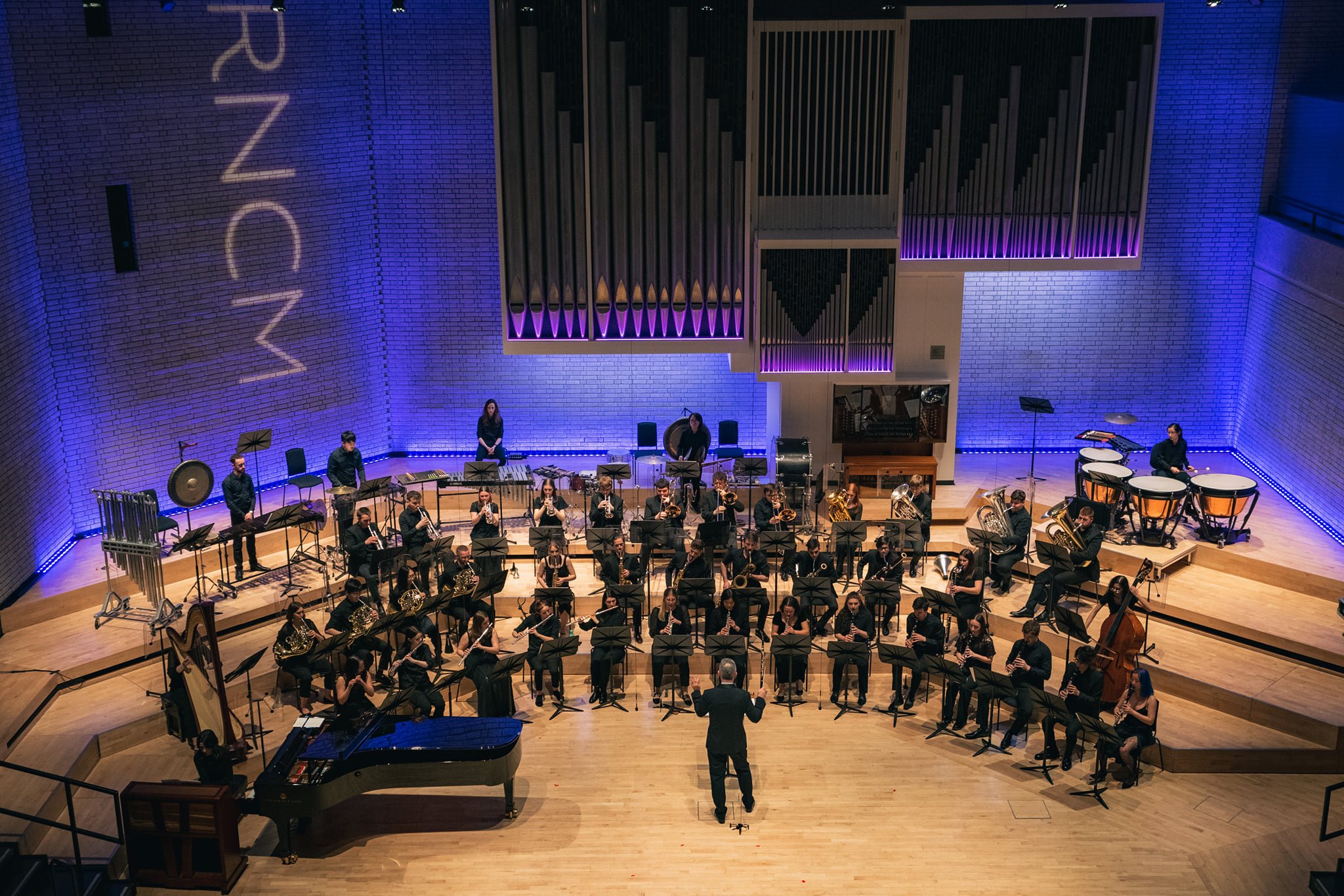
He is the Music Director of the Nottingham Philharmonic and serves as Professor and Head of Conducting at the Royal Northern College of Music (RNCM), where he leads the world-leading conducting programmes and works extensively with all the college’s orchestras and ensembles. He is also Conductor Laureate of the Liverpool Mozart Orchestra and previously spent ten years as Director of Orchestras at the University of Manchester.
A passionate advocate for young musicians, Mark has conducted ensembles from institutions such as the Royal Academy of Music, Royal Conservatoire of Scotland, Escola Superior de Música de Lisboa, and Tilburg & Maastricht Conservatoires, as well as the National Youth Wind Orchestras of Great Britain, Wales, and Israel, the Slovenian National Youth Orchestra, and others.
Deeply engaged with contemporary music, he has premiered numerous significant works and collaborated with leading composers, including Kalevi Aho, Sir George Benjamin, Sir Harrison Birtwistle, Unsuk Chin, Tansy Davies, Detlev Glanert, Heiner Goebbels, Anders Hillborg, Giya Kancheli, Magnus Lindberg, Sir James MacMillan, Colin Matthews, Christopher Rouse, Kaija Saariaho, and Mark-Anthony Turnage. Notable operatic premieres include Adam Gorb's The Path to Heaven (2018) and the European premiere of Daron Hagen’s Bandanna (2006). His discography includes dozens of recordings with the RNCM Wind Orchestra for labels such as Chandos, Naxos, NMC, ASC, and Polyphonic, as well as projects with the BBC Concert Orchestra, Seckou Keita, and the Royal Liverpool Philharmonic. He has also conducted numerous broadcasts with BBC orchestras.
Mark studied at the RSAMD and RNCM. Following a successful career as a chamber musician and freelancer with many of the UK’s leading symphony orchestras, he pursued conducting studies at the RNCM and in masterclasses with Neeme and Paavo Järvi, Jorma Panula, and Sir Mark Elder. He also participated in the London Symphony Orchestra’s young conductor mentoring programme under Sir Colin Davis.
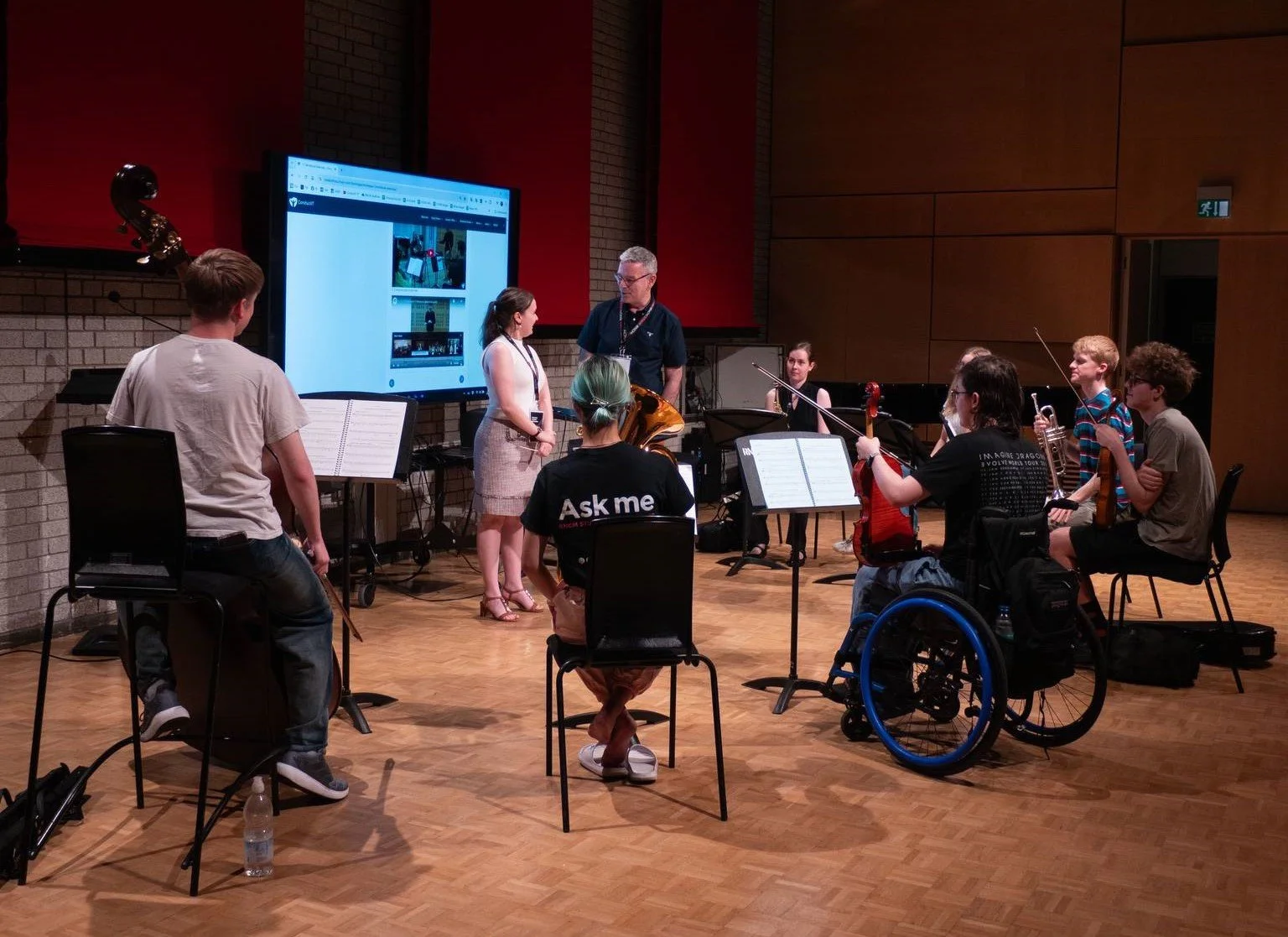
In addition to his conducting work, Mark is regarded as one of the world's leading conducting teachers. His students have achieved international success, and he has played a key role in shaping conducting programmes at the RNCM and the University of Manchester. He is a visiting professor for the Royal Air Force and frequently leads conducting masterclasses worldwide. He was the lead content author for the online conducting resource ConductIT.





CRITICAL REACTION
"Those great contemporaries, Jean Sibelius and Carl Nielsen, are composers of contrasting musical ethic and aesthetic. Each pose difficult questions for any conductor and musician. Through attention to detail, and careful shaping of argument and structure, Heron and the orchestra came through the test with flying colours."
"And to end: Debussy's La Mer, in which Heron ensured that every tiny detail, every flute flurry, every percussion stroke, every muted trumpet note was coloured and focused with pinpoint precision."
"Barber's 1st Symphony is a concert hall rarity, a piece written as one highly concentrated movement. It needs a conductor who can clarify its structure and relate the subtlety of its parts to the whole. Mark Heron certainly achieved this, particularly successful when handling the transitions between sections, as when the momentum of the opening spills over into the scherzo - which in turn tailed off into a plaintive oboe melody over rapt strings. He also imbued the ending, which comes full circle in a powerful coda, with a strong sense of inevitability."
"Sibelius's 7th symphony radiated total commitment and deep musical insight."
"Saturday’s performance [of Peter Grimes] had a powerful sense of emotional engagement with the morally ambivalent story and its cast of Suffolk townspeople. Mark Heron’s conducting was incisive and alive to the rich variety of Britten’s score. The famous ‘sea interludes’ were vividly atmospheric, ranging from the shimmering light effects of ‘Dawn’ to the elemental violence of ‘The Storm’"
"under Mark Heron's scrupulous guidance, the character [of Stravinsky's Rite of Spring] seemed balletic through and through. Negotiating an ever changing pulse with resolve, they went on to catch both the vitality of he seasonal dances and the solemnity of primitive sacrifice. Simply awesome."
"Mark Heron led a soulful and passionate performance of Brahms’s Fourth Symphony. The sound of the orchestra was astonishing and the pianissimo section in the slow movement was all the more beautiful for its contrast to the relentless vigour called for by Brahms"
"...the Nottingham Philharmonic under Mark Heron seems to reach greater heights of orchestral virtuosity."
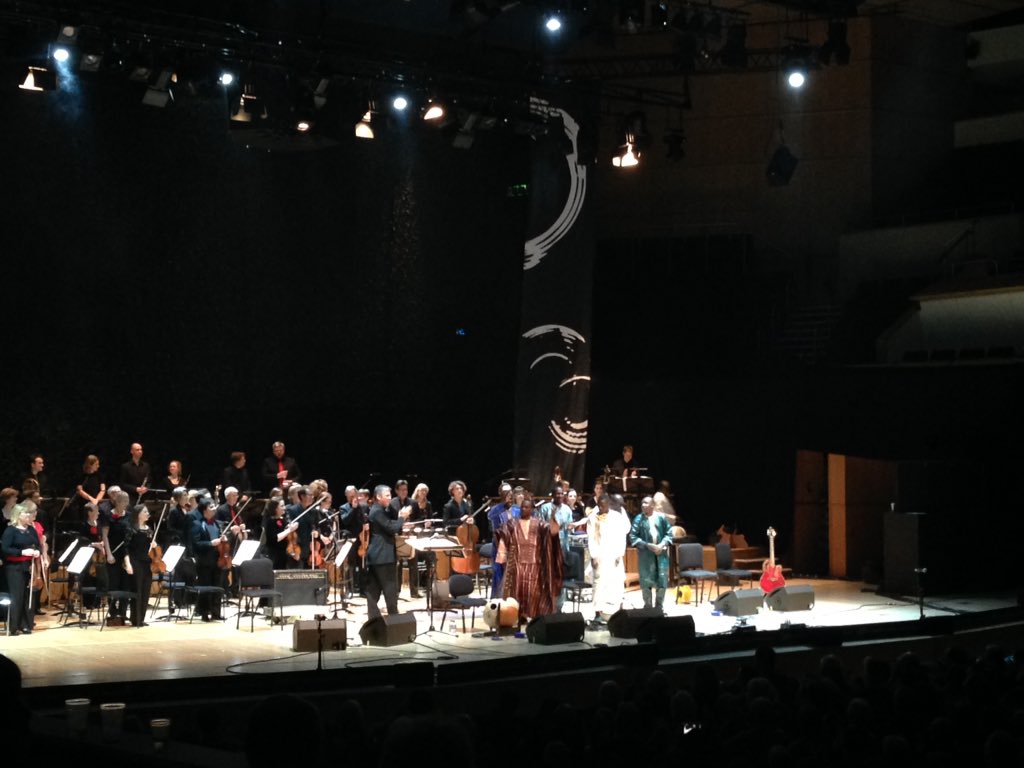
"This was surely the best of the many orchestral collaborations seen at the prestigious La Mar de Músicas festival. The brilliance of Toumani Diabate of course made this possible, but it was as much due to the Orchestra Sinfonica de la Region de Murcia directed by Mark Heron who were outstanding in their sympathetic accompaniment."
"Heron is a conductor who clearly doesn’t want to act as a dictator towards the musicians, but rather as a catalyst between them and the composer's intentions"
"...the finale [of Tchaikovsky Symphony No.5] in particular was most impressive. Transitions between tempos were imaginative and convincing, there was some wonderful phrasing, and the optimistic climax well prepared and executed."
“In Saturday's performance under Mark Heron, Shostakovich's Seventh was vindicated as a masterpiece in its own right. A singular one for sure, but full of authentic expressive riches. The emotional ambivalence that was part of the composer loomed large in this performance, starting with the casual entry of the first movement's martial subject, and ending with the tonality of the work's final chords.”
"Despite his considerable experience, Mark Heron was conducting a Bruckner symphony for the first time. A composer like no other calls for a special approach and technique, and these were supplied in full measure. Above all it was the work's monumental features which were realised so effectively, as well as an enchantment recalling Schubert or Mahler. The many hushed openings to new paragraphs – "I need to take a deep breath," said Bruckner – were beautifully played. This music seemed to come not off the printed page but out of the surrounding ether."